Heritage
Heritage.
An ancient people, what they gave the world, and how they came here.
Egypt's ancient history is known everywhere. Its two thousand years of Christian history are known almost nowhere — and the two are the same history, told by the same people, in a language that runs unbroken from the pyramid texts to a liturgy sung in New Jersey this Sunday.
The word "Copt" and the word "Egypt" descend from the same Greek word, Aigyptios, which means Egyptian. To be Coptic is, etymologically, simply to be Egyptian.
The further derivation from the Egyptian Ḥwt-ka-Ptaḥ, a name for Memphis, is widely repeated and probably right, but it needs a Coptic linguist's sign-off before it goes on the page. It is the museum's signature claim.
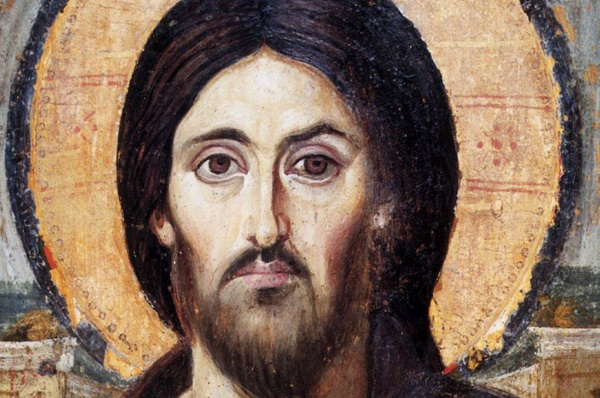
What Egypt gave the world.
Writing, the calendar, the hour, the first surgical text, Alexandria, and the invention of monasticism. Five thousand years, honestly told — including the parts where the popular story is wrong.
Read it →Coming to America.
Why Copts left Egypt, when, and what the evidence actually shows. From one or two hundred people in the United States in the late 1950s to 292 parishes in 2020, with New Jersey first among the states.
Read it →Renowned Egyptians.
Four Nobel laureates. A Secretary-General of the United Nations. The surgeon behind more heart and lung transplants than any other in the world. The co-inventor of the transistor in your phone. Christian and Muslim, on the same page.
Read it →The editorial rule
Where scholars disagree, these pages say so.
Egyptian history attracts more confident nonsense than almost any other subject, and a good deal of it circulates in Coptic and Egyptian heritage material specifically.
A visitor who catches this site overclaiming will discount everything else on it. So each page below carries a note saying what it left out and why — the famous claims that did not survive checking, named rather than quietly dropped.
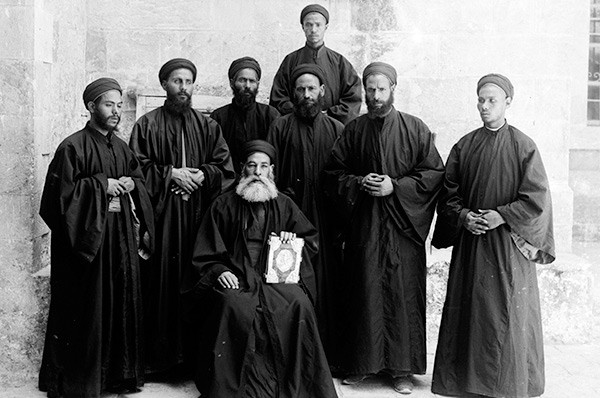
Did your family come from Egypt?
The foundation is collecting the American half of this story, and it is not in any archive. Ship manifests and passenger lists. Visa papers. The first apartment. The first parish, and where it met before it had a building. Photographs of a liturgy in a rented hall. Letters home.
If you or your parents arrived between 1955 and 1980, the foundation would particularly like to record an interview. It takes an hour. Originals are returned; copies are kept with full credit.
Get in touch